





Turning Staff Appreciation Day Into Meaningful Recognition
Employee appreciation sounds simple in theory. Thank people for their work, organise something enjoyable and give employees an opportunity to celebrate together.
In practice, creating a Staff Appreciation Day that feels meaningful can be more difficult.
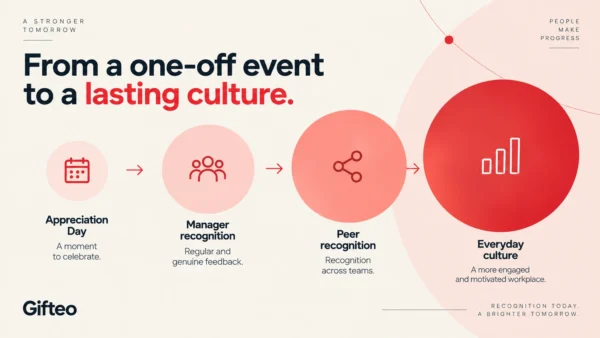
HR teams may have plenty of staff appreciation ideas, but managers are often balancing recognition with deadlines, budgets and operational priorities. Employees, meanwhile, quickly notice when appreciation feels generic or disconnected from their actual contributions.
The challenge isn’t simply to organise an event. It’s to create a day managers understand the value of, employees genuinely appreciate and the organisation can use to reinforce recognition throughout the year.
What Is Staff Appreciation Day?
Staff Appreciation Day is an opportunity for organisations to recognise employees for the contribution they make to the business.
Celebrations can range from a simple personal thank you to team activities, additional flexibility, gifts or company-wide recognition. There is no requirement for the day to follow a particular format or involve a large budget.
What matters more is the intention behind it.
A successful appreciation day gives managers and leaders a reason to stop and acknowledge contributions that can easily become invisible during everyday work. It also gives organisations an opportunity to demonstrate that recognising people is part of their culture rather than something reserved for exceptional performance.
Staff Appreciation Day vs Employee Appreciation Day
The terms Staff Appreciation Day and Employee Appreciation Day are often used interchangeably.
Employee Appreciation Day is the more established name for the annual occasion observed on the first Friday of March. Staff Appreciation Day is frequently used more broadly by organisations to describe their own employee appreciation initiatives or events.
The objective is essentially the same: recognise employees and demonstrate that their work is valued.
Employers don’t need to become too concerned about the terminology. What employees experience on the day — and throughout the rest of the year — matters considerably more than the name attached to the initiative.
When Is Employee Appreciation Day 2026?
Employee Appreciation Day takes place on the first Friday in March each year. In 2026, that fell on Friday 6 March.
While the date provides a useful opportunity to focus attention on recognition, organisations don’t need to restrict appreciation to one day.
The most effective approach is to use the occasion as a visible reminder of something that should already be happening throughout the employee experience.
Why a Staff Appreciation Day Is Worth the Investment
Staff appreciation can sometimes be dismissed as a nice-to-have activity rather than a business priority.
That perception makes manager and leadership buy-in harder to achieve. Yet the purpose of appreciation isn’t simply to make people feel good for a day. Recognition is closely connected with wider issues that businesses already care about, including engagement, retention and workplace culture.
The Business Case for Appreciation
Recognition doesn’t necessarily require a financial reward. Research reviewed by the CIPD shows that both financial incentives and non-financial recognition can support employee motivation and performance when programmes are designed fairly and reflect the realities of individual roles and teams.
Recognition can also influence the wider team. Academic research suggests that seeing colleagues receive recognition can strengthen perceptions of organisational fairness, workplace wellbeing and work engagement — showing that appreciation can have an impact beyond the employee being recognised.
Appreciation as a Year-Round Culture, Not a One-Off
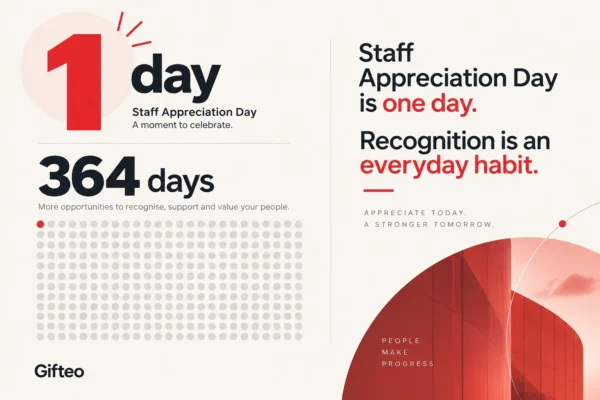
There is also a limitation to Staff Appreciation Day: it’s only one day.
A catered lunch or gift can create a positive experience, but it won’t compensate for employees feeling ignored during the other 364 days of the year.
The day has greater value when it reinforces behaviours the organisation wants managers and teams to continue afterwards.
That could mean introducing peer-to-peer recognition, encouraging managers to give more regular feedback or simply making employee achievements more visible internally.
This principle is reflected across current guidance on Employee Appreciation Day. Both People Insight and Achievers emphasise using the occasion as a catalyst for everyday recognition rather than treating appreciation as an annual box-ticking exercise.

Getting Manager and Leadership Buy-In
HR can organise Staff Appreciation Day, but managers largely determine whether it feels genuine.
They understand what their teams have achieved, where employees have gone beyond expectations and which contributions deserve particular recognition.
Getting managers involved early therefore makes the difference between an HR-led event and genuine appreciation from across the organisation.
Framing Appreciation in Terms Managers Care About
Managers may resist an appreciation initiative if they see it as another activity competing for time and budget.
The solution isn’t necessarily to convince them that celebrations are important. Instead, connect appreciation to outcomes they already care about.
Recognition can reinforce good performance, highlight examples of company values in action and help managers build stronger relationships with their teams.
A Staff Appreciation Day can also create an opportunity for managers to acknowledge work that doesn’t always appear in traditional performance metrics: supporting a new colleague, helping another department, resolving a difficult customer issue or keeping a team connected during a demanding period.
The conversation becomes less about organising a “fun day” and more about recognising the people responsible for business results.
Tying the Day to Engagement and Retention Goals
Staff appreciation shouldn’t operate separately from the organisation’s people strategy.
If improving engagement is a priority, use the day to increase recognition across teams. If retention is a concern, create opportunities for leaders to acknowledge long-term contributions. If company values need greater visibility, recognise employees who demonstrate those values in their everyday work.
Clear objectives also make it easier to explain the initiative internally.
Instead of telling managers that HR is organising another event, explain what the organisation wants to achieve and how managers contribute to that goal.
Setting a Proportionate Budget
Meaningful appreciation doesn’t require an unlimited budget.
The appropriate level of spending depends on the size of the organisation, existing reward strategy and type of celebration planned.
A smaller business might organise a team lunch and personalised recognition from senior leaders. A larger organisation might combine company-wide activities with individual rewards distributed through an employee rewards programme.
The important point is to decide what the budget needs to achieve before deciding how to spend it.
A modest budget combined with thoughtful recognition can have more impact than expensive gifts distributed without context.
How to Plan a Staff Appreciation Day, Step by Step
Once leadership and managers understand the objective, planning becomes much simpler.
The aim should be to create enough structure to ensure everyone is included without making appreciation feel scripted.
Set Clear Objectives
Start by deciding what success looks like.
Is the objective simply to thank employees? Increase manager participation in recognition? Bring teams together? Support remote employees? Launch a broader recognition initiative?
Trying to achieve everything at once can make the day unfocused.
One or two clear objectives make it easier to select activities, determine the budget and measure whether the initiative worked.
Choose a Theme and Format
The format should reflect your workforce rather than following whatever happens to be popular on social media.
For office-based teams, this could involve a shared celebration, catered lunch or series of activities throughout the day.
Distributed organisations might use virtual events and digital recognition alongside rewards that employees can access regardless of location.
Some businesses may not need an event at all. A coordinated day of personalised manager recognition combined with additional flexibility or individual rewards can be equally effective.
Ask employees what they would actually appreciate before making the decision for them.
Personalise the Recognition
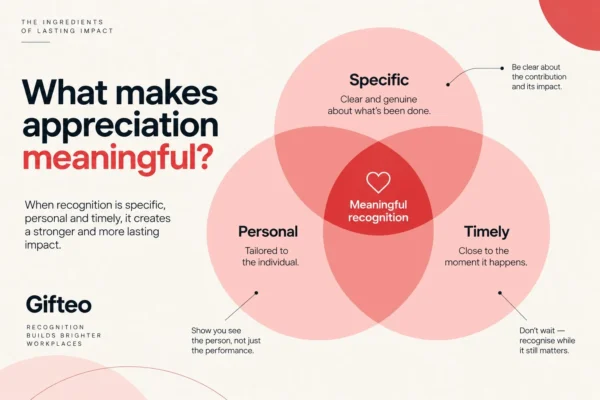
Generic appreciation is easy to organise. Personal appreciation is more memorable.
Managers should be encouraged to explain specifically why someone is being recognised rather than sending the same message to everyone.
Instead of:
“Thank you for all your hard work.”
Recognition might acknowledge how an employee supported colleagues during a challenging project, improved a process or delivered a particularly strong customer experience.
The same principle applies to gifts. Employees have different interests, lifestyles and priorities, which makes flexibility valuable.
A multi-store gift card, for example, allows employees to choose something relevant to them rather than receiving the same physical gift as everyone else.
Plan for Remote and Hybrid Teams
Appreciation should not depend on where someone works.
Office-based celebrations can unintentionally exclude employees working remotely, in different locations or on alternative schedules.
Plan for these employees from the beginning rather than creating a virtual alternative at the last minute.
Digital recognition, virtual team activities and rewards that can be accessed online make participation easier. Managers should also ensure remote employees receive the same visibility when achievements are shared.
The goal isn’t to give everyone an identical experience. It’s to make the experience equally meaningful.

Staff Appreciation Day Ideas That Work
The best staff appreciation ideas don’t necessarily have the highest price tag.
They work because they feel relevant to employees and communicate genuine appreciation.
Low-Cost Appreciation Ideas
A limited budget shouldn’t prevent organisations from doing something meaningful.
Personalised messages from managers or senior leaders cost nothing but can have considerable value when they reference specific contributions.
Teams can also recognise achievements during meetings, create peer-nominated awards, highlight employee successes through internal communications or give employees greater flexibility during the day.
Other ideas include:
- handwritten thank-you notes;
- employee or team spotlights;
- a longer lunch break;
- peer recognition messages;
- breakfast or afternoon treats;
- development opportunities;
- an early finish where operationally possible.
These ideas work best when employees understand why they’re being recognised.
A free coffee is a perk. A free coffee accompanied by genuine recognition becomes appreciation.
Gifts and Rewards That Feel Premium
For organisations with additional budget, a tangible reward can make Staff Appreciation Day more memorable.
The difficulty is choosing something employees actually want.
Traditional branded merchandise can work when employees have a genuine connection with the organisation, but generic company swag isn’t automatically meaningful recognition.
Flexible rewards provide an alternative.
Gift cards, experiences, wellbeing rewards or access to an employee discount platform give employees more control over the value they receive.
For more inspiration, organisations can also explore different types of rewards for staff, from financial incentives to experiences and recognition-based rewards.
The reward doesn’t need to be extravagant. It needs to feel considered.
Pay and benefits are only part of the picture. The CIPD highlights recognition, development opportunities, flexible working and employee involvement as forms of non-financial reward that can contribute to a broader total reward strategy.
Team Experiences and Activities
Shared experiences can be particularly effective when the objective is to strengthen relationships between colleagues.
Team lunches, workshops, volunteering, wellbeing activities, games or off-site experiences provide an opportunity for employees to spend time together outside normal work routines.
Again, the workforce should influence the choice.
Not everyone enjoys competitive activities or large social events. Offering options or consulting employees beforehand can prevent an initiative designed to show appreciation from becoming something people feel obligated to attend.
For teams where budget is limited, non-financial rewards for employees can provide alternatives without reducing the quality of the recognition.
Making Appreciation Stick Beyond the Day
The biggest test of Staff Appreciation Day comes after it has finished.
If employees receive recognition on Friday and return to a workplace where good work routinely goes unnoticed on Monday, the impact will disappear quickly.
From One-Off Event to Ongoing Recognition
Use the day to identify recognition practices that can continue throughout the year.
If peer nominations generated strong participation, consider making peer recognition permanent. If personalised manager messages received positive feedback, encourage managers to continue them. If employees valued greater visibility for achievements, create a regular space for celebrating success.
Recognition can also be integrated into existing workplace moments: project completions, team meetings, onboarding, promotions, anniversaries and company updates.
This doesn’t mean every contribution needs a gift or public announcement.
Frequent appreciation can be as simple as a specific thank you delivered at the right time. Reward Gateway similarly recommends treating appreciation as something that can be embedded continuously into company culture rather than reserved for a calendar occasion.
The goal is to make recognition normal rather than exceptional.
Measuring the Impact
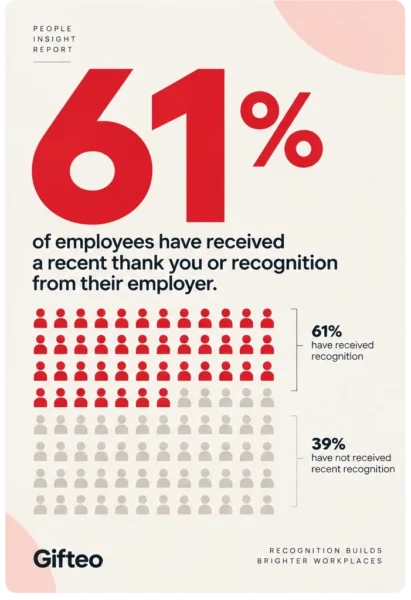
Staff Appreciation Day shouldn’t become an exercise in measuring how many cupcakes were eaten or messages were sent.
Instead, look at whether employees participated and how they experienced the initiative.
A short pulse survey can establish whether employees felt genuinely appreciated and whether activities were relevant to them. Participation data can also reveal whether certain departments, locations or remote employees were less involved.
Manager participation is another useful indicator. If the objective was to increase manager-led recognition, measure how many managers actually took part rather than focusing solely on employee attendance.
Over time, appreciation can also be considered alongside broader engagement and retention metrics.
One Staff Appreciation Day will not transform employee retention by itself. But stronger recognition habits, repeated throughout the year, can contribute to an employee experience where people feel their work and contributions matter.
Building a Culture That Appreciates People All Year
Staff Appreciation Day works best as a starting point rather than the culmination of an organisation’s recognition strategy.
Managers should have simple ways to acknowledge contributions when they happen. Employees should be able to celebrate their peers. Milestones should be recognised consistently, and meaningful rewards should be available when the occasion deserves more than a thank you.
Gifteo brings these different elements together through one employee engagement platform.
Organisations can enable peer-to-peer recognition, automate milestone celebrations and give employees access to flexible rewards and benefits. Managers can recognise contributions more consistently, while employees can choose rewards that reflect what they personally value.
That makes Staff Appreciation Day easier to organise, but more importantly, it makes appreciation easier to continue once the day is over.
Because the most effective appreciation strategy isn’t about creating one memorable Friday in March. It’s about creating a workplace where employees continue to feel valued on every other working day of the year.